

























































Change Blindness: Why Obvious Changes Go Unnoticed
You compare two versions of a slide and only later discover that an important label changed. Both versions were visible, and the difference seems obvious once someone points it out. Why did looking fail to produce noticing? Change blindness refers to…

The Spacing Effect: How to Spread Out Learning
A long study session can produce a satisfying sense of progress. You have seen the material repeatedly, the examples feel familiar, and the answers come quickly. Several days later, much of that apparent mastery may be harder to access. The spacing…

Retrieval Practice: How Testing Yourself Supports Learning
Reading an explanation can make it feel familiar. Close the page, however, and you may discover that explaining the same idea without help is much harder. Retrieval practice uses that difference deliberately: you attempt to bring information to mind…

Task Switching Costs: Why Changing Tasks Takes Effort
You are comparing two versions of a report when a message arrives. Answering it takes only a moment, but returning to the report is slower: which paragraph were you checking, and why did the number in the margin matter? The interruption has ended, yet…

Visual Illusions and the Brain: What Appearance Can Reveal
Two patches with the same measured shade can look different against different backgrounds. A drawing can alternate between two interpretations even though the lines remain unchanged. Such experiences make a basic distinction visible: appearance and a…

Why Thoughts Feel Automatic: Spontaneous Thought and Inner Speech
A song lyric appears while you wash a cup. An old conversation returns during a walk. Before a difficult task, the sentence “I will get this wrong” arrives without an explicit decision to produce it.

Open Monitoring vs. Focused Attention Meditation
One meditation instruction asks you to return to the breath whenever attention drifts. Another asks you to notice changing sounds, sensations, and thoughts without selecting one as the sole object. These are different emphases, not necessarily competing…

Cognitive Biases and Perception: How to Check First Impressions
An email arrives without a greeting. You read it as irritation. A colleague sees the same message and assumes the sender was busy. The words are identical, but the interpretation differs.
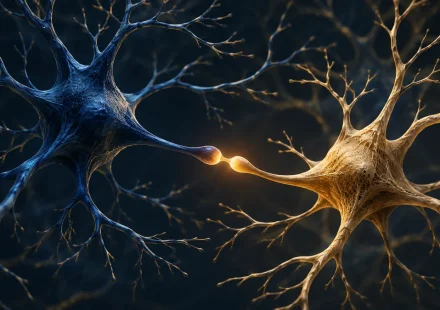
Neuroplasticity Explained: What Learning Can Change
Learning to juggle, recognizing a new accent, and adapting after an injury involve very different challenges. All can raise questions about neuroplasticity: the nervous system's capacity to change with development, experience, learning, and altered…

Why Time Feels Faster or Slower: Attention, Emotion, and Memory
Ten minutes in a waiting room can feel longer than an hour spent in an absorbing conversation. Yet the conversation may later leave a richer memory than the wait. The apparent contradiction comes partly from asking different questions about time.