























Visual Illusions and the Brain: What Appearance Can Reveal
Two patches with the same measured shade can look different against different backgrounds. A drawing can alternate between two interpretations even though the lines remain unchanged. Such experiences make a basic distinction visible: appearance and a…

Why Thoughts Feel Automatic: Spontaneous Thought and Inner Speech
A song lyric appears while you wash a cup. An old conversation returns during a walk. Before a difficult task, the sentence “I will get this wrong” arrives without an explicit decision to produce it.

Open Monitoring vs. Focused Attention Meditation
One meditation instruction asks you to return to the breath whenever attention drifts. Another asks you to notice changing sounds, sensations, and thoughts without selecting one as the sole object. These are different emphases, not necessarily competing…

Cognitive Biases and Perception: How to Check First Impressions
An email arrives without a greeting. You read it as irritation. A colleague sees the same message and assumes the sender was busy. The words are identical, but the interpretation differs.
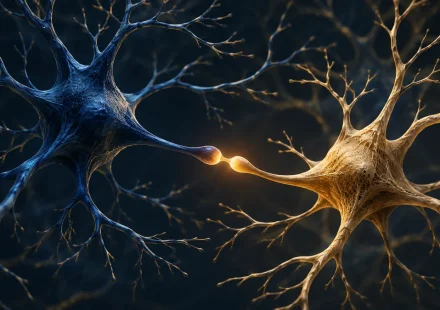
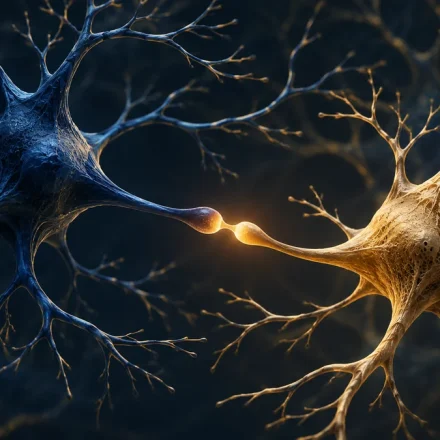
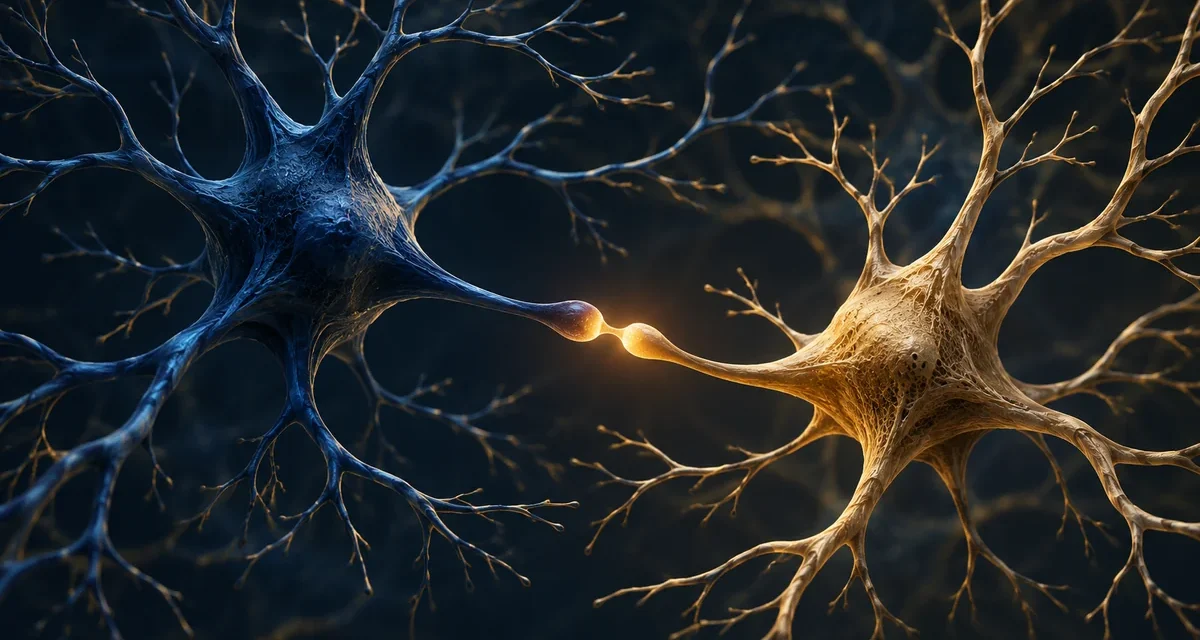
Neuroplasticity Explained: What Learning Can Change
Learning to juggle, recognizing a new accent, and adapting after an injury involve very different challenges. All can raise questions about neuroplasticity: the nervous system's capacity to change with development, experience, learning, and altered…

Why Time Feels Faster or Slower: Attention, Emotion, and Memory
Ten minutes in a waiting room can feel longer than an hour spent in an absorbing conversation. Yet the conversation may later leave a richer memory than the wait. The apparent contradiction comes partly from asking different questions about time.

The Observer Perspective in Meditation: A Practical Explanation
“Notice the thought rather than becoming the thought.” A meditation instruction like this can be helpful, but it can also raise a puzzling question: if I am watching my thoughts, who is the watcher?

Cognitive Defusion vs. Thought Suppression: Key Differences
A thought interrupts your preparation: “Everyone will judge me.” You might try to force it away, argue with it, or continue preparing while acknowledging that the prediction is present. Those responses have different purposes.

The Sense of Self: Body, Agency, Memory, and Identity
You know which hand is yours, experience an action as something you did, and recognize a childhood memory as part of your life. These experiences all involve the self, but they are not the same experience.

Interoception: How the Brain Senses the Body
You notice thirst, a full stomach, or a change in breathing after climbing stairs. These experiences involve information about conditions inside the body. The study of how those signals are sensed, integrated, and interpreted is called interoception.